


Please Leave Us A Message
Privacy statement: Your privacy is very important to Us. Our company promises not to disclose your personal information to any external company with out your explicit permission.
 suzhou bangneng textile co.,ltd


Microfiber pool towels are specialized drying accessories engineered for rapid moisture absorption and quick-drying performance. Unlike traditional cotton towels, these products use ultra-fine synthetic fibers to provide superior functionality for aquatic environments.
For procurement professionals sourcing hospitality supplies or recreational gear, understanding the composition of microfiber is essential. These towels typically consist of a blend of polyester and polyamide fibers, split during manufacturing to create a massive surface area. This structure allows each square inch of fabric to absorb significantly more water than conventional materials.
The primary value proposition for buyers lies in operational efficiency. Quick-drying capabilities mean faster turnover rates for hotels and resorts, reducing laundry volume and associated costs. Additionally, the lightweight nature of microfiber reduces shipping weight, lowering landed costs for bulk international orders.
Selecting the right towel material impacts both customer satisfaction and operational overhead. Microfiber offers distinct advantages over cotton for pool environments:
Microfiber absorbs up to 7x its weight in water, drying users much faster than standard terry cloth.
Significantly reduced drying time prevents mildew growth and lowers laundry processing costs.
Space-saving design reduces storage requirements and shipping freight costs for bulk orders.
Our manufacturing facility leverages advanced German equipment to ensure consistent quality across all production batches. With a monthly capacity of 100 tons, we support large-scale procurement needs while maintaining rigorous inspection protocols.
This vertical integration allows us to offer competitive pricing without compromising on material integrity or workmanship.
Selecting the right microfiber pool towels requires evaluating several technical specifications that impact performance and cost-efficiency. Buyers should consider the following key factors:
Look for a polyester-polyamide blend ratio that balances softness with durability. The Grams per Square Meter (GSM) determines thickness and absorbency. For pool use, a medium GSM (150-200) often provides the best balance of packability and drying power.
Laser-cut edges prevent fraying and eliminate the need for traditional stitching, reducing production costs. However, some buyers may prefer hemmed edges for added durability in high-turnover commercial environments.
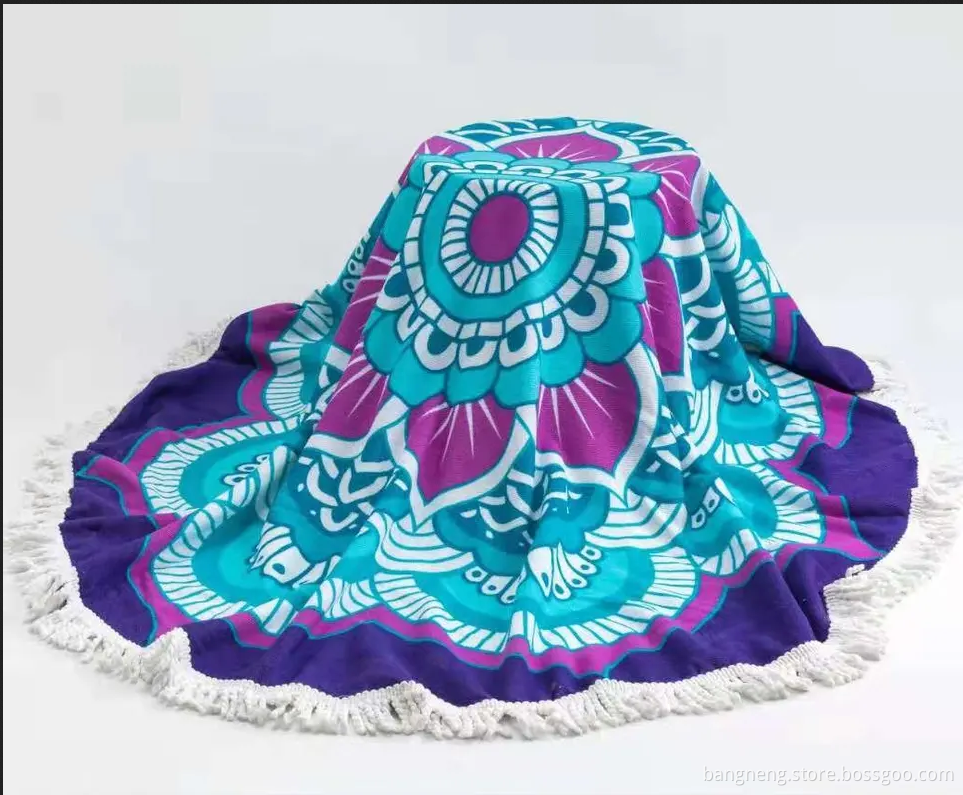
Evaluate the supplier's capability for reactive printing, which offers vibrant, long-lasting colors that resist fading from chlorine and UV exposure. Custom sizing and packaging options can further enhance brand visibility.

Use this checklist to evaluate potential suppliers and ensure your microfiber pool towel order meets all requirements:
When evaluating microfiber pool towel manufacturers, prioritize partners who demonstrate comprehensive capabilities and proven track records:
Choose suppliers with complete production lines from yarn knitting to packing. This integration ensures consistent quality control and reduces dependency on external vendors.
Opt for manufacturers with substantial monthly output (100+ tons) to guarantee supply stability for large orders and peak seasons.
Select suppliers with established export experience in Western Europe, Northern Europe, and North America, indicating compliance with diverse international standards.
Microfiber pool towels serve diverse sectors beyond traditional swimming pools:
Hotels and resorts benefit from quick turnover rates and professional appearance, enhancing guest satisfaction.
Gyms, water parks, and sports facilities appreciate the hygienic properties and compact storage requirements.
Boat owners and charter services value the salt-resistant properties and fast-drying capabilities.
Event organizers utilize custom-branded microfiber towels for promotional purposes and attendee comfort.
Retailers capitalize on the growing consumer demand for high-performance, portable drying solutions.
Spa facilities integrate microfiber towels into premium packages for enhanced client experience.
Addressing common challenges in microfiber pool towel sourcing helps streamline your procurement process:
Request samples to test absorbency, drying speed, and edge finishing. Verify the supplier's quality control processes, including pre-delivery inspections and material certifications. Look for manufacturers with integrated production lines for better quality assurance.
Standard production typically takes 30 days, while urgent orders can be fulfilled in as little as 15 days. Confirm these timelines during negotiation and factor them into your inventory planning. Communicate clearly about customization requirements to avoid delays.
Specify reactive printing techniques which offer superior color retention compared to standard printing methods. Request fade resistance testing data from your supplier and consider conducting in-house chlorine exposure tests on samples before committing to large orders.
While microfiber towels reduce shipping weight compared to cotton, proper packaging is essential to maintain product presentation. Work with suppliers who understand international shipping requirements and can optimize packaging to minimize volumetric weight charges.
Tel: 86-13584486170
Whatsapp: +86 13584486170
Address: NO511, changfu street, changshu, jiangsu province, Suzhou, Jiangsu China
Website: https://www.bangnengtowel.com
Privacy statement: Your privacy is very important to Us. Our company promises not to disclose your personal information to any external company with out your explicit permission.
Fill in more information so that we can get in touch with you faster
Privacy statement: Your privacy is very important to Us. Our company promises not to disclose your personal information to any external company with out your explicit permission.